






Gradient

The Tarbell Fellowship is a one-year program for journalists interested in covering artificial intelligence

Fellows secure a nine-month placement at a major newsroom, participate in a 10-week course covering AI and journalism fundamentals, and attend a weeklong journalism summit in the San Francisco Bay Area. Host newsrooms in 2025 included Bloomberg, the Guardian, MIT Technology Review, Time Magazine, and many other leading outlets.

Applications for the 2026 Tarbell Fellowship closed on Jan. 7, 2026. The 2026 Tarbell Fellowship will run from June 8, 2026, through May 31, 2027. See below for a detailed timeline.

Fellows secure a nine-month placement at a major newsroom, participate in a 10-week course covering AI and journalism fundamentals, and attend a weeklong journalism summit in the San Francisco Bay Area. Host newsrooms in 2025 included Bloomberg, the Guardian, MIT Technology Review, Time Magazine, and many other leading outlets.

Applications for the 2026 Tarbell Fellowship closed on Jan. 7, 2026. The 2026 Tarbell Fellowship will run from June 8, 2026, through May 31, 2027. See below for a detailed timeline.

  • Timeline
  • Details
  • Testimonials
  • Why?
  • Speakers
  • Fellows
  • Supported stories
  • FAQ
  • How to apply
Our partner newsrooms

What we offer

Placement

Fellows secure a nine-month placement at a major newsroom covering artificial intelligence. Placement details vary by outlet.

Stipend

Fellows receive stipends of $60,000 to $80,000, depending on location, for the duration of their placement. Stipends for Senior Fellows (with five or more years of experience in journalism or AI) are $90,000 to $110,000.

AI Journalism Fundamentals

Prior to placements, fellows complete a 10-week program on AI and journalism fundamentals. This remote program requires a full-time commitment and includes a custom curriculum, guest lectures, and graded assignments.

Fellowship Summit

Fellows attend a weeklong summit in the San Francisco Bay Area before starting their placements. This will be an intensive week of guest speakers, workshops and networking events. Travel and accommodation costs will be fully covered.
  • Nov. 12, 2025,
    to Jan. 7, 2026
    Applications open
  • April 2026
    Fellows selected
  • June 8 to Aug.
    14, 2026
    AI Journalism Fundamentals
  • Aug. 17
    to 21, 2026
    Bay Area Summit
  • Sept. 2026
    to May 2027
    Placement

How it works

Newsroom placement

Fellows are fully embedded as reporters within a newsroom for nine months. Placement outlets for 2025 included Bloomberg, the Guardian, NBC News, Time Magazine, The Verge, and many others.

Challenging

Fellows will spend the year building skills and a strong portfolio to accelerate their journalism careers.

Full-time

The fellowship is a full-time commitment. Journalism is a highly competitive industry, and we expect fellows to be completely focused on succeeding.

International

The fellowship is open to rising journalism talent from around the globe. Some placements require the right to work in the U.K. or the U.S., and in some cases we can support fellows in acquiring visas.

Senior Fellowship

Candidates with more than five years of full-time work experience in either journalism or AI are eligible for positions as Senior Fellows. These positions have a stipend of $90,000 to $110,000 dependent on location and will require an additional time commitment of approximately five hours per week during the 10-week AI Journalism Fundamentals training period to assist with mentorship and workshops.

“The Tarbell Fellowship has been a turning point in my career...I’m grateful for the doors it has opened and the confidence it has given me to pursue ambitious reporting.”
Agnee Ghosh Bloomberg
“The Tarbell Fellowship massively accelerated my career.”
Harry Booth TIME
“Tarbell has been a vital part of my professional journey — and an exceptionally warm and thoughtful community. I could not recommend their fellowship more highly."
Aisha Down The Guardian
“Tarbell made it possible for me to jump-start a career in journalism, covering the biggest stories in AI.”
Rocket Drew The Information
“I can't think of a better springboard into AI journalism than Tarbell.”
Nilesh Christopher Los Angeles Times
“Tarbell is hands down the best way to transition from an AI background into journalism.”
Kai Williams Understanding AI
“Part of me always wanted to be a journalist, but the barriers of breaking into the industry kept me from ever going for it. It was only because of Tarbell that I decided to finally take that leap of faith.”
Nick Corvino ChinaTalk

Why?

Journalism will play a crucial role as society navigates the development and deployment of advanced AI. Tarbell is committed to supporting independent journalism that demystifies the debates around this technology, holds the companies and people building it accountable, and fosters the discourse necessary to chart a path that benefits society.

As AI models grow more sophisticated, many experts fear they could aid terrorists in unleashing new pandemics, empower malicious actors to carry out devastating cyberattacks, or further enable authoritarian regimes to tighten their grip on society.

With the Tarbell Fellowship, we’re creating a community of expert journalists to lead the public debate on AI and hold major AI companies accountable to society.

Our mission statement

Speakers

Fellows will hear a variety of perspectives from experts in both journalism and AI.

Kevin Roose
Tech columnist, New York Times
Jack Clark
Co-Founder and Head of Policy, Anthropic
Cristina Criddle
Technology correspondent, Financial Times
Vanessa Parli
Director of Research, Stanford Human-Centered AI
Geoff Ralston
Former President, Y Combinator
Billy Perrigo
Technology correspondent, TIME magazine
Kelsey Piper
Senior Writer, Vox Future Perfect
Ben Buchanan
Former White House Special Advisor for AI
Arvind Narayanan
Professor of Computer Science, Princeton University
Chris Summerfield
Research Director, UK AI Security Institute
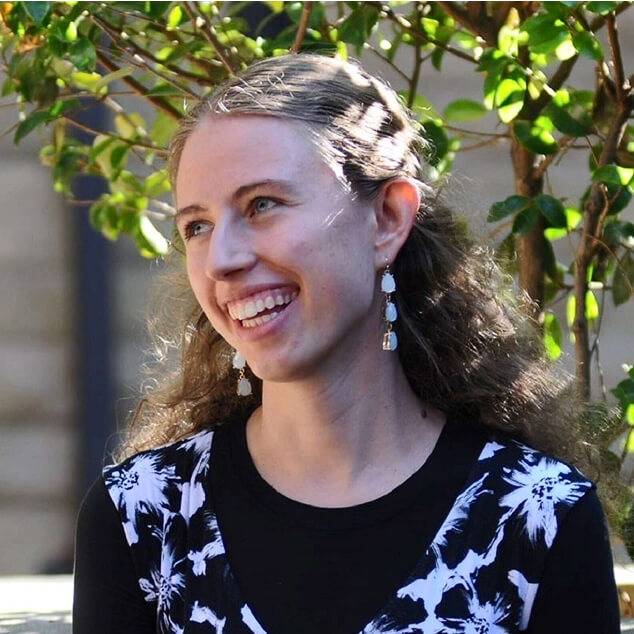
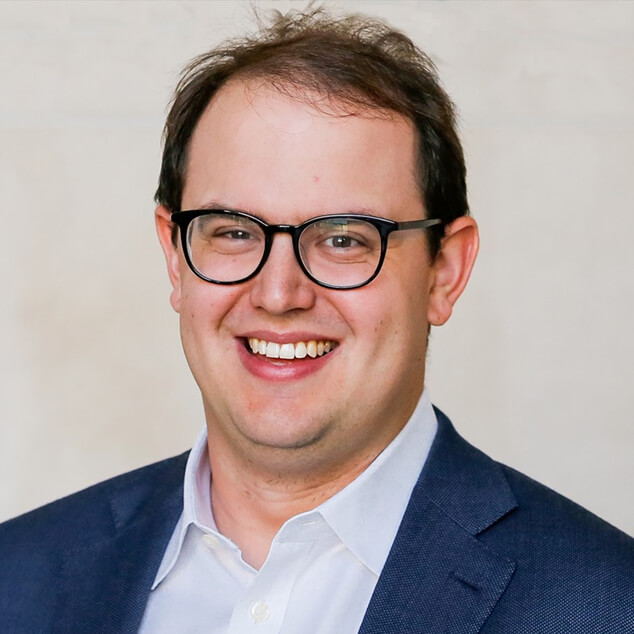
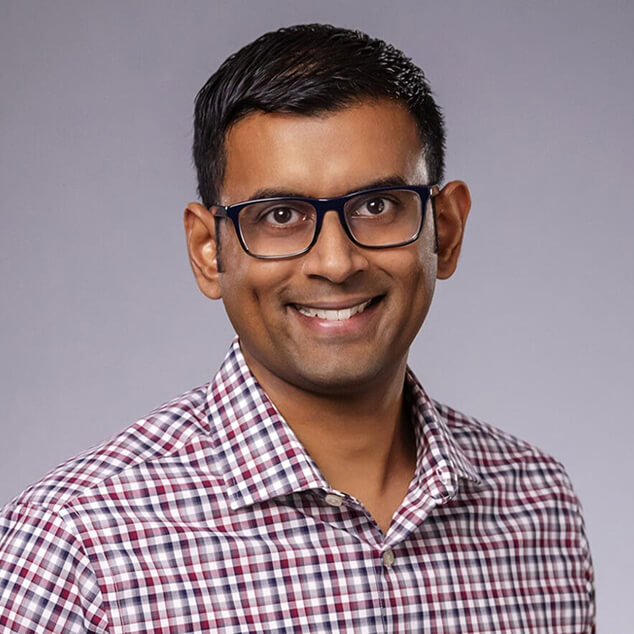
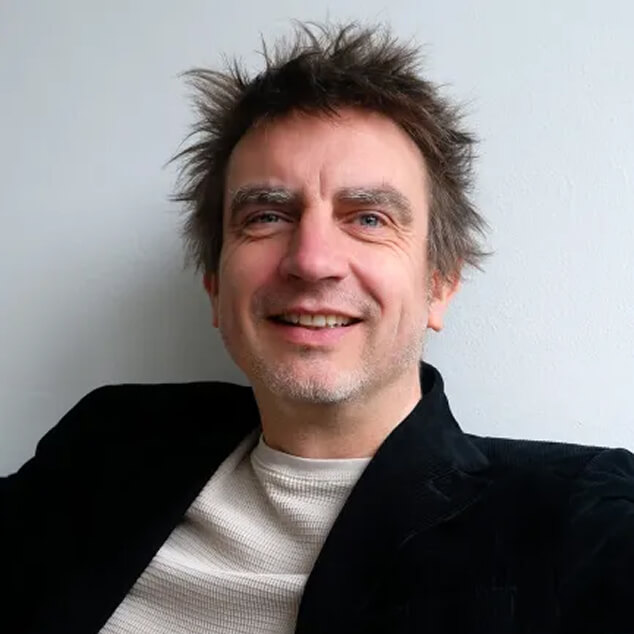
Meet our Fellows

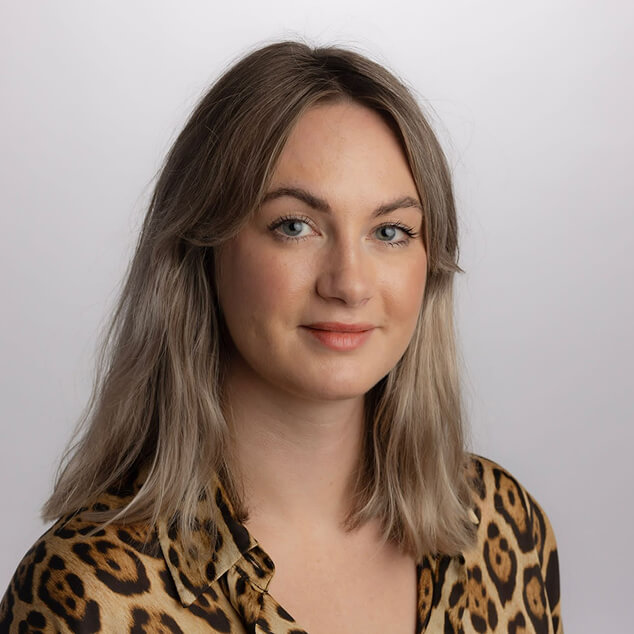
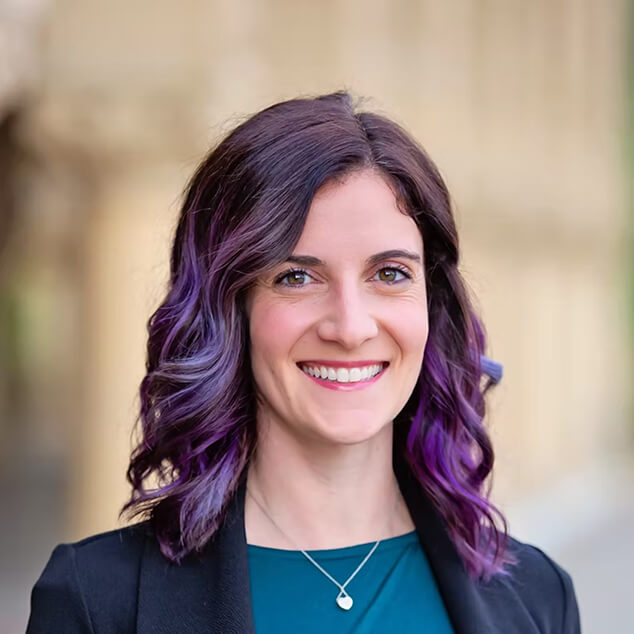
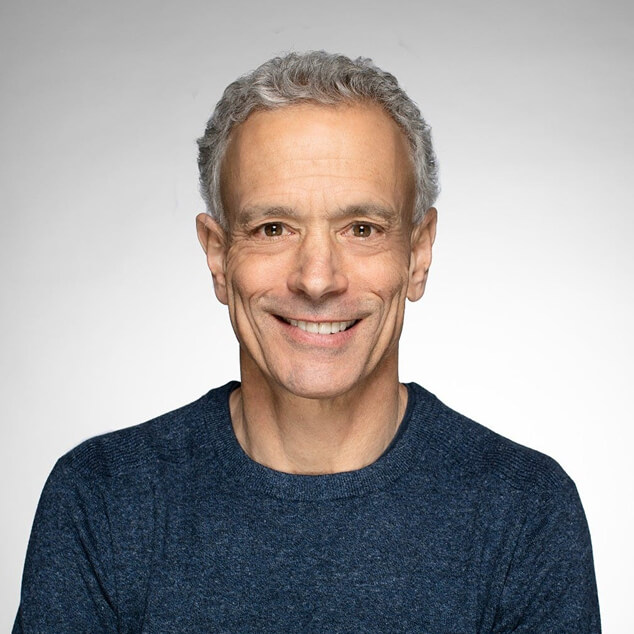
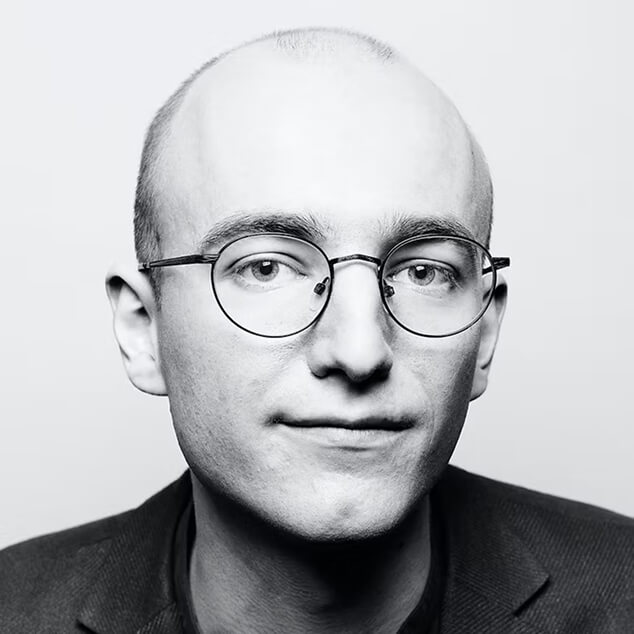
Our fellows have covered artificial intelligence at Bloomberg, The Guardian, The Verge, and many other outlets

Who we look for

Passionate about journalism

Previous newsroom experience (including at student newspapers) is desirable but not necessary.

AI expertise

A deep interest in artificial intelligence and its effects on society. Many fellows will have experience working in tech journalism, machine learning research, or AI governance.

Excellent writing skills

A creative approach to storytelling combined with the ability to quickly get to the heart of a new topic. Fellows must be able to produce compelling copy under tight deadlines.

Relentless and self-motivated

The ability to doggedly pursue your goals and persevere in the face of adversity. Journalists are frequently required to cold email and interview people they have never met. Fellows must be willing to work hard and be capable of withstanding repeated rejection.

Open-minded

The desire to understand the truth of any given story, even when it conflicts with prior beliefs. Fellows must be open to criticism and recognizing ways they can improve their writing and thinking.

If you think you have what it takes, but don’t meet every single point here, please apply and let us know how you believe you can bring your unique skills to the world of journalism.

Write AI stories that matter

South China Morning Post
Baidu-backed iQiyi files confidentially for Hong Kong listing
By Vincent Chow / Fellow
Mar 30, 2026
South China Morning Post
Xiaomi, Alibaba ramp up AI recruitment amid global talent war
By Vincent Chow / Fellow
Mar 30, 2026
NBC
Democrats push Trump admin on prediction market insider trading
By Jared Perlo / Fellow
Mar 30, 2026
The Dispatch
The White House and Republican Lawmakers Are Still at Odds on AI and Kids
By Jonathan Gibson / Fellow
Mar 30, 2026
The Guardian
UK’s big, risky AI bet
By Aisha Down / Fellow
Mar 30, 2026
South China Morning Post
ByteDance adds watermarking, IP checks to Seedance 2.0 ahead of global launch
By Vincent Chow / Fellow
Mar 29, 2026

Frequently asked questions

About
What is the Tarbell Fellowship?

The Tarbell Fellowship is a one-year program for journalists interested in covering artificial intelligence. Fellows secure a nine-month placement at a major newsroom, participate in a 10-week study group covering AI and journalism fundamentals, and attend a weeklong journalism summit in the San Francisco Bay Area.

Why is it called the Tarbell Fellowship?

The Tarbell Fellowship is named in honor of Ida Tarbell. Tarbell was a pioneering investigative journalist, best known for writing The History of the Standard Oil Company. This seminal piece detailed the rise of Standard Oil and exposed its use of unfair and illegal practices, leading to the breakup of its monopoly. Just as Standard Oil operated in complexity that few understood, today’s AI industry operates in technical and policy complexity that can feel impenetrable. We need our generation’s Ida Tarbells to help society understand and navigate the most transformative technology of our time.

I want to write about ___. Will the Tarbell Fellowship support that?

We only support fellows interested in covering artificial intelligence. Within this, we don’t dictate which topics Tarbell Fellows cover or how they cover them. Instead, we provide the time and resources to think carefully about the best ways to cover this area.

Can I still do the fellowship if I’m already a professional journalist?

Yes! Candidates with more than five years of full-time work experience in either journalism or AI are eligible for positions as Senior Tarbell Fellows. These positions have a higher stipend and will require an additional time commitment of approximately five hours per week during the 10-week AI Journalism Fundamentals training period to assist with mentorship and workshops.

Will the Tarbell Fellowship help me secure a placement?

Yes, all fellows will secure a nine-month newsroom placement covering AI. During the last stage of the application process, Tarbell will set up interviews with one to three potential news outlets. We then take into account the preferences of candidates and placement organizations to make the best matches.

Will I get to know the other Tarbell Fellows?

Yes. In addition to the summit, you will interact with your cohort on a weekly basis during the training period. Fellows will attend interactive learning sessions, speaker events and may also work together on assignments. We intend to foster a culture of collaboration and a thriving community of AI journalists.

Who is funding the Tarbell Fellowship?

A full list of Tarbell’s donors can be found here. Our donors do not have any involvement in selecting which fellows we fund, and do not review or influence the content, conclusions, or framing of any of the fellows’ stories. You can read more about our commitment to editorial independence here. If you’d like to support our work with a contribution of any amount, you can make a gift here or get in touch.

Logistics
How long is the fellowship?

The fellowship is a 12-month program. Fellows will be selected in April 2026, and participate in the AI Journalism Fundamentals course from June to August. Most placements will then run from September 2026 through May 2027.

Is the fellowship paid?

Yes. Fellows receive stipends of $60,000 to $80,000, depending on location, for the duration of their placement. Stipends for Senior Fellows (with five or more years of experience in journalism or AI) are $90,000 to $110,000.

Is the fellowship full time?

Yes, the fellowship is a full-time commitment from June 2026 through May 2027.

Is the fellowship remote?

The fellowship is hybrid, with a combination of remote aspects and in-person components.

  • The 10-week AI Journalism Fundamentals training period is conducted remotely and sessions will be held online.
  • The Tarbell Summit will be held in person in the San Francisco Bay Area, Aug. 17–21, 2026. All fellows are expected to attend and we will fully cover travel and accommodation costs.
  • Many placements require fellows to work from cities such as San Francisco, New York, Washington DC, London, and Hong Kong. However, we welcome applications from international candidates and in some cases we can support fellows in acquiring work visas.​
What is the Tarbell Summit?

The summit is an intensive week of guest speakers and workshops in the San Francisco Bay Area, with opportunities to network with professional journalists covering AI. The 2025 Summit included talks from Kevin Roose (NYT) and Jack Clark (Anthropic), as well as staff-led workshops on investigative reporting, feature writing, and the business of AI.

Will costs be covered for the Summit?

Yes, all travel and accommodation costs will be fully covered.
When will my placement start?

Most fellows will begin their placements in September 2026. However, we are willing to accommodate earlier or later start dates in exceptional circumstances (e.g. for candidates completing a graduate degree).​

Apply
When do applications open/close for the fellowship?

Applications for the 2026 cohort opened on November 12, 2025 and closed on January 7, 2026.​

When will I hear back about my application?

All applicants should expect to hear back by the end of January, whether or not they have progressed to the second stage of the application process.

When will I know if I've been accepted?

Fellows will be selected in April, 2026.

Is there an age limit for the fellowship?

No.

I'm based in ______. Can I apply?

Yes. We’re excited to support early-career journalists from around the globe. Note that some placements will require relocation to a journalism hub like New York or San Francisco, and in some cases we can support fellows in acquiring work visas.

Do I need to have a university degree to apply?

No. For information on what we look for, see “Who we look for”.

Writing samples
How many writing samples should I submit?

You may submit between one and three writing samples.

What is the word count limit for writing samples?

The combined total word count of your writing samples may not exceed 4,500 words.

What happens if I submit a writing sample longer than 4,500 words?

If you submit a writing sample PDF with a combined total of more than 4,500 words, we will discard your application.

Can I submit an unpublished writing sample?

Yes. You can submit unpublished writing samples, provided they are journalistic pieces. In the past, many top candidates have produced writing samples for the purpose of their application, though this is not required.

Does my writing sample need to be about AI?

No. We encourage candidates to submit their strongest work regardless of the topic. That being said, we encourage candidates producing writing samples for the purpose of this application to consider writing about AI or a related topic.

Can I submit a script as my writing sample?

At least one of the writing samples you submit must be written in prose format, such as a news article, blog post, or essay. A script will not fulfill this requirement. However, provided you are submitting at least one prose piece, you may also submit a script as a second or third writing sample.

Senior fellows
How do I apply to be a Senior Fellow?

All applicants are automatically considered for the Senior Fellowship when they apply.

What types of experience does an applicant need to have to be eligible for the Senior Fellowship?

Generally, the applicant must have at least five years of full-time experience relevant to AI or journalism. This means that a journalist looking to become a Senior Fellow must have five years of full-time professional experience as either a staff writer or full-time freelancer. Individuals with more than five years working in AI technical research, AI policy, or another job relevant to AI are also eligible for the Senior Fellowship.

I have more than five years of professional experience, but it is not in AI or journalism. Can I still be considered for the Senior Fellowship?

Professionals with experience in other fields not directly related to AI or journalism may sometimes be considered for the Senior Fellowship if that experience is directly relevant to their placement. For example, someone with more than five years of legal experience may be considered for a Senior Fellowship at a placement like Lawfare at Tarbell’s discretion.

Ask
Don't see your question here? Ask us.
Thank you!
Your message has been sent. We will contact you as soon as possible

How to apply

  1. Application and Writing Samples (<60 minutes)
    Nov. 12, 2025–Jan. 7, 2026

    Complete our application form. Include your CV, answer some short questions and provide one to three writing samples.

  2. Work test (2-4 hours)
    Late January to early February 2026

    Complete a two- to three-hour work task designed to test your ability to excel in a newsroom covering AI.

  3. Interviews (2-4 hours)
    March, 2026

    Complete a 1-hour interview with a member of the Tarbell team and 1-3 interviews with potential placement organizations.

Applications for the 2026 Tarbell Fellowship are now closed.